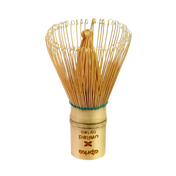

When we think of Japanese tea culture, matcha is often the first to come to mind. It's the centerpiece of the ceremony, the part that captures attention. But the tea ceremony is much more than the tea itself. Every object in the setting, the matcha bowl, the bamboo whisk, the tray, reflects the same philosophy of slowing down and being fully present. Each piece has a purpose, creating a space where making and sharing tea feels calm and intentional.
In this blog, we'll take a closer look at Japanese pottery and how it shapes this experience. The pottery used in the tea ceremony isn't just practical; it brings a sense of thoughtfulness to the moment. Let's take a closer look.
The Tradition and Craftsmanship Behind Japanese Pottery
Japanese pottery is unique because it's woven into everyday life rather than set apart from it. It isn't only about how a piece looks but about how it feels in the hand, how it's used, and the moments it helps create. Potters in Japan have long valued the natural character of clay, the traces left by the firing process, and the marks made by hand. Instead of hiding irregularities, they often highlight them, an expression of wabi-sabi, the idea that beauty lies in simplicity, imperfection, and the passage of time.
What makes this culture so distinct is the way practicality and thought come together. A tea bowl, a plate, or a vase isn't just meant to be admired; it's made to be part of daily life. Over time, each region developed its own approach, shaped by local materials and generations of makers who refined their craft while staying close to tradition. The result is a pottery culture that feels both timeless and personal, reminding us of the meaning we can find in the things we use every day.
Japanese Pottery Designed for Everyday Use
One of the defining features of Japanese pottery is how thoughtfully it's designed for daily use, especially in tea rituals. Every vessel, bowl, and accessory has a purpose beyond aesthetics. Shapes, textures, materials, and proportions are all carefully considered to make the process of brewing, serving, and drinking tea as natural and enjoyable as possible.
Teapots (Kyusu) and Their Functional Design
The kyusu, Japan's classic side-handled teapot, is a prime example of practical design. Its side handle allows controlled pouring, essential for delicate teas like gyokuro and sencha. Many kyusu come with built-in mesh strainers, so loose tea leaves are separated from the pour, allowing the tea to steep evenly and taste clean. The rounded body of a kyusu helps evenly distribute heat, while the lid and spout are balanced for smooth, controlled pouring.
Tea Bowls (Chawan) and Matcha Preparation
In matcha, the tea bowl, or chawan, is central. Shallow, wide ceramic bowls allow the bamboo whisk (chasen) to move freely, creating a frothy, smooth matcha green tea without spilling. The thickness and texture of the clay help retain heat while remaining comfortable to hold. Different types of matcha preparation may favor slightly different shapes of Japanese matcha bowls. For ceremonial usucha (thin matcha), wider bowls make whisking easier, while thicker, smaller bowls can hold hotter, concentrated koicha (thick matcha).
Cups and Tumblers (Yunomi, Guinomi, and More)
Daily tea drinking often involves yunomi, taller, straight-sided cups that retain heat for longer, ideal for sencha, genmaicha, or bancha. Smaller cups, called guinomi, are used for stronger teas or sake-like servings.
The material and texture matter: unglazed clay offers a comfortable grip and helps moderate temperature, while glazed surfaces ensure easy cleaning and prevent flavors from transferring between teas. Rounded rims allow smooth sipping, and smooth curves ensure the cup sits comfortably in the hand.
Brewing Accessories
The Japanese tea ritual involves much more than just a teapot. A whole suite of carefully designed accessories ensures that preparing and serving tea is clean, efficient, and effortless.
- Measuring scoops (Chashaku and Matcha Spoon): Sized to ensure the correct portion of matcha or loose tea leaves.
- Whisks (Chasen): Bamboo whisks crafted to match bowl sizes, maintaining flexibility and durability for a perfectly frothed matcha experience.
- Strainers and infusers: For loose-leaf teas, strainers ensure clean pours while allowing leaves to expand fully.
- Lids and covers: Designed for teapots and cups to retain heat and aroma, often fitted to prevent spills.
Clay and Glaze: Preserving Tea Flavor
One of the most practical aspects of Japanese pottery is its choice of materials. High-fired clay and neutral glazes are chosen to preserve the tea's pure taste. For delicate teas like gyokuro or sencha, the vessel doesn't interfere with aroma or flavor. Unglazed surfaces, such as those in yakishime pottery, absorb minimal moisture, helping maintain tea temperature and adding to a pure drinking experience.
Design for Comfort and Ritual
Every piece, from tea bowls to teapots to cups, is made to feel natural in hand and integrate into daily life. Rounded forms, ergonomic handles, and carefully weighted lids all make handling hot tea effortless. The design accommodates repeated use without fatigue, allowing the drinker to focus on the ritual itself, whether it's a formal ceremonial matcha ritual or a casual afternoon cup of sencha.