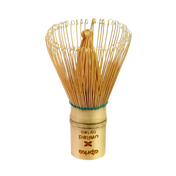

Once you've secured your favorite matcha, a natural next move is to pick a matcha bowl. It's easy to think of it as just another accessory, but the bowl you choose actually shapes the experience: how easily you can whisk a smooth, frothy cup, how the matcha looks against the glaze, even how the bowl feels in your hands each morning. A little thought here goes a long way, and it doesn't have to be complicated. Here's what's actually worth knowing before you buy one.
What Makes a Matcha Bowl Different
A matcha bowl, or chawan, is shaped with whisking in mind, giving you plenty of room to prepare a smooth, well-aerated cup. Its wide, rounded interior lets your whisk move comfortably in a gentle “W” or “M” motion without bumping into the sides. That extra space makes it easier to break up clumps and create the light, even foam that gives freshly whisked matcha its lovely texture, something a narrow mug simply can’t offer.
More Than One Way to Shape a Chawan
Chawan have been used in Japan for centuries, with their shapes and sizes developed as part of the tea ceremony. Over time, many different styles emerged, from wide and shallow bowls to deeper, more rounded designs, with each offering its own feel and purpose. You don’t need to know every style to find a chawan you’ll enjoy using. It’s simply helpful to know that there’s no single “right” shape, so you can choose a bowl that feels comfortable in your hands and suits the way you like to prepare your matcha. Let’s take a closer look at the different styles next. Here's where it actually matters which one you pick:
Finding the Right Shape for You
Most well-made matcha bowls fall within a similar size range: around 14 oz, roughly 4-4.5 inches wide, and under 3 inches tall. There’s a practical reason for that shape. A wider bowl gives your wrist plenty of room to move in a smooth, natural arc, allowing the whisk to cover more of the bowl without bumping into the sides. In a narrower bowl, the whisk can catch against the walls more easily, making it harder to whisk comfortably and leaving behind small clumps of matcha that haven’t fully mixed in. Here's where it actually matters which one you pick:
Classic Open Bowls (No Spout)
The widest and flattest interior of the three, this shape gives your whisk plenty of room to move freely. With no lip or narrowing near the rim, you can whisk comfortably across the bowl and enjoy a smooth, easy motion. It’s especially nice if you’re still getting comfortable with your whisking technique, as the generous shape gives you plenty of room to practice and find a comfortable motion.
Bowls With a Spout
This shape keeps the same generous base that makes whisking comfortable, with a slight pinch in the wall that creates a handy pour lip. The small change has little effect on whisking, but makes pouring much easier afterward, giving you a more controlled stream without having to tip the entire bowl. It’s a particularly useful design for matcha lattes, where you’ll often want to transfer freshly whisked matcha into milk. For anyone who enjoys making lattes regularly, the pour lip adds a simple bit of convenience while keeping the bowl spacious and easy to whisk in.
Deeper, Narrower Bowls
This shape takes a slightly different approach, with a narrower opening and deeper profile that helps the bowl hold onto heat. The smaller surface area gives your bamboo whisk a more compact space to work in, so shorter, more controlled strokes can help you build a smooth layer of foam. In return, the deeper shape helps your matcha stay warm for longer, which can be especially nice if you prefer to take your time with your tea. It can also feel particularly comfortable once you’re familiar with whisking, as the more compact interior encourages a precise, controlled motion.
The Traditional Shapes Behind the Practical Ones
The wide and narrow shapes, bowls with a spout, all connect to styles that have names in Japanese tea culture and traditions that go back centuries. Learning a little about these names isn’t necessary for choosing a matcha bowl, but it offers a nice glimpse into the thought behind each shape. These designs have been shaped over generations, with different shapes developed to suit different ways of preparing and enjoying tea.
Wan-nari: A rounded bowl with a gentle curve that flows from the base up to the rim. You’ll find a similar shape in traditional Japanese rice and soup bowls, giving the wan-nari its simple, versatile appeal. Often considered a classic all-purpose chawan, wan-nari bowls are a lovely place to start when choosing your first matcha bowl, with a comfortable shape that works well for everyday preparation.
Hira-nari: A wide, shallow bowl with a broad opening that allows heat to escape more quickly. Traditionally associated with summer, this shape is designed to help matcha cool sooner, making it especially pleasant in warmer weather. Its generous interior also gives the whisk plenty of room to move, so the same open shape that encourages faster cooling makes matcha preparation comfortable and easy.
Tsutsu-nari: A straight-sided, cylindrical bowl with a deeper profile that helps retain heat. The deeper versions, known as fukazutsu chawan, are traditionally associated with winter, as their narrower opening helps keep the matcha warm for longer. The more compact interior also gives whisking a slightly different feel, encouraging shorter, more controlled strokes while helping the tea retain its warmth.
There’s another style worth knowing about: Chawan with irregular or intentionally uneven shapes. Some have slightly pinched sides, while others take on more triangular or asymmetrical silhouettes. These bowls come from a tradition that values natural variation and individuality over perfect symmetry. They’re often chosen for the unique look and feel of each piece, adding a more personal touch to the experience of preparing matcha.
How Big Should a Matcha Bowl Be?
Most matcha bowls hold around 300-400 ml, giving you enough room to whisk comfortably without making the tea feel lost in the bowl. A little extra space above the matcha also helps prevent splashing as you whisk and gives your chasen room to move freely.
A bowl that’s too large can make whisking feel less efficient, as the matcha spreads across a wider surface. A bowl that’s too small can leave you with less room to whisk comfortably. The 300-400 ml range offers a nice middle ground, with enough space for easy whisking while keeping your matcha at a practical depth.
Choosing the Right Finish for You
Most matcha bowls are made from ceramic, and the glaze does more than add color or texture. It can affect how the bowl feels in your hands, how it holds heat, and how easily you can see your matcha as you whisk.
Grip
Many chawan leave the base unglazed on purpose, exposing the raw clay underneath. That matters more than it sounds; once your hands are warm from holding a bowl of hot liquid, a fully glazed surface can start to feel slippery. The unglazed base gives you something to actually hold onto, especially mid-whisk when your grip needs to be steady.
Reading the Matcha
Color can make a bigger difference than you might expect. A pale or light-colored interior gives you a clear view of your matcha as you whisk, making it easier to see the vibrant green color, watch the foam develop, and spot any clumps that may need a little more whisking. It’s a small detail, but one that can make preparing your matcha feel more intuitive and enjoyable.
Heat Retention
Glaze thickness can play a small role in how long a chawan holds its warmth. A thicker glaze may help the bowl retain heat a little longer, while a thinner glaze allows it to cool more quickly. It’s a subtle difference compared with the bowl’s shape and material, but it can be worth considering if you have a preference for how warm you like your matcha as you enjoy it.
Traditional Glaze Styles
Once you get past the practical details, glaze is where you can really explore different looks and finishes. A few traditional styles worth knowing are:
- Raku Bowls: hand-molded, lightweight, often in black or deep red.
- Shino Bowls: Japan's first white glaze, with a soft, slightly textured surface.
- Oribe Bowls: bold, asymmetrical, usually in green or black.
- Hagi Bowls: pale and porous, known for slowly changing color over years of use.
Finding Your Perfect Matcha Bowl
Choosing a matcha bowl doesn’t have to be complicated. At the end of the day, it comes down to a few simple things: enough room to whisk comfortably, a size that suits the way you enjoy your matcha, and a glaze that makes the tea easy to see while giving you a comfortable grip. Beyond those practical details, choose a shape and finish that you genuinely enjoy using. Your chawan should feel like a natural part of your matcha experience, not something you have to overthink.
If you'd like to see a few options, our handmade matcha bowl collection has a range of shapes and glazes to explore, each one made by hand, so no two are quite the same.